Interests and Projects
We are fascinated by the forces that shape genomes over time, and what those changes reveal about adaptation and biodiversity. One recurring obsession is the role of mobile DNA in shaping genome structure, adaptation, and biodiversity, from within populations all the way through deep evolutionary time. We work at the interface of genomics, evolutionary biology, and computer science, and are always on the lookout for fun new problems to solve.
We are deeply committed to open science and reproducible research, and we actively build and use open-source tools to support and empower the wider research community.
We also care deeply about people. We are invested in training the next generation of scientists and in building a collaborative and inclusive space where curiosity drives our shared pursuit of understanding genome ecology and biodiversity.
Below, you can explore our lab’s interests.
Our Lab’s Interests
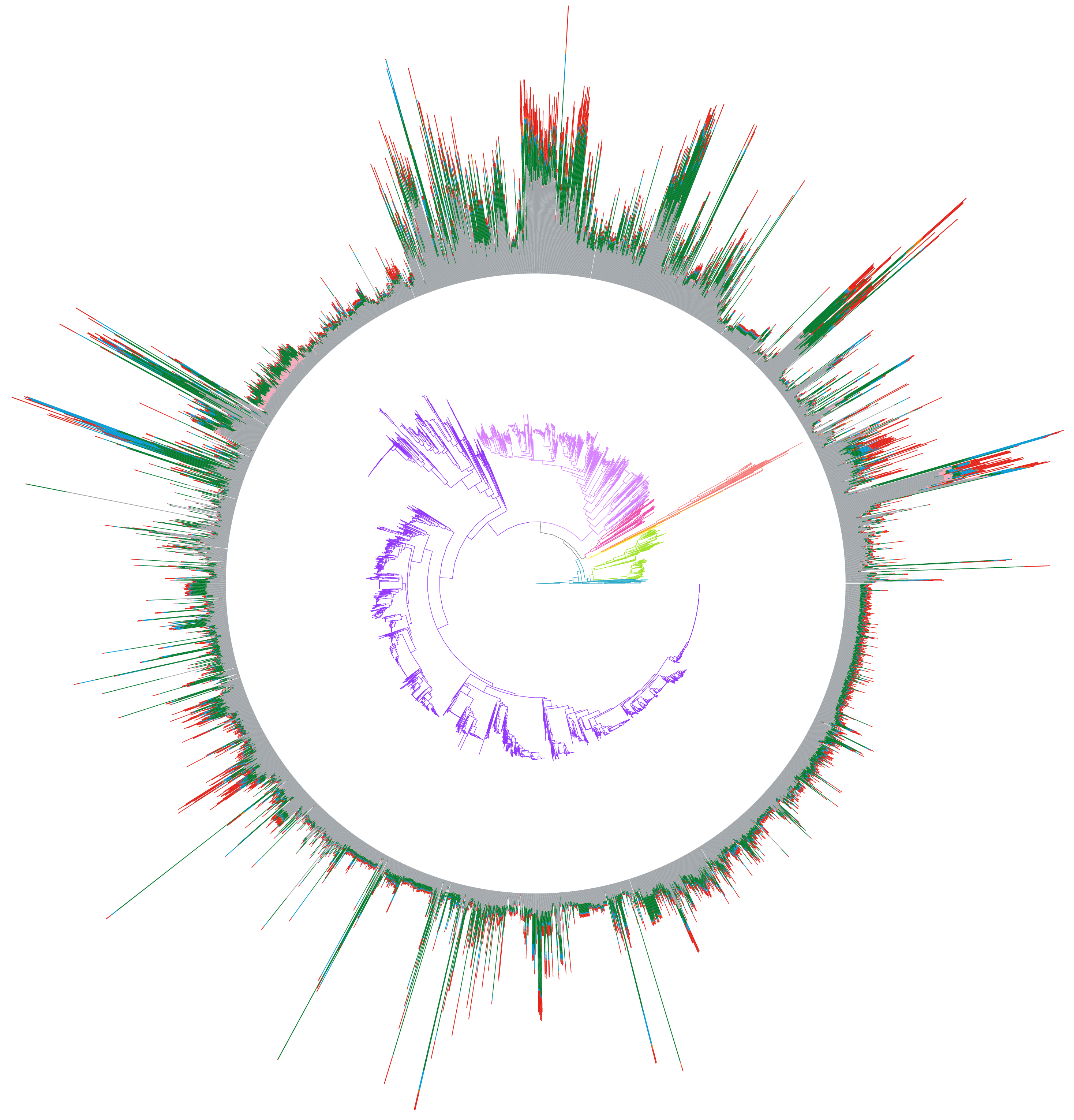
We are fascinated by the role of transposable elements (TEs) in shaping genomes and generating genetic novelty. We view these interactions through an ecological lens, where the genome is itself an environment in which TEs must survive and replicate alongside the host machinery that seeks to suppress them and maintain genome integrity. We investigate how these mobile pieces of DNA interact with their hosts, influence adaptation, and contribute to genome evolution across the tree of life. By studying organisms ranging from fungi to plants and animals, and timescales ranging from contemporary populations to hundreds of millions of years of evolution, we aim to understand when TEs act as genomic parasites, when they become drivers of innovation, and how these interactions shape biodiversity.
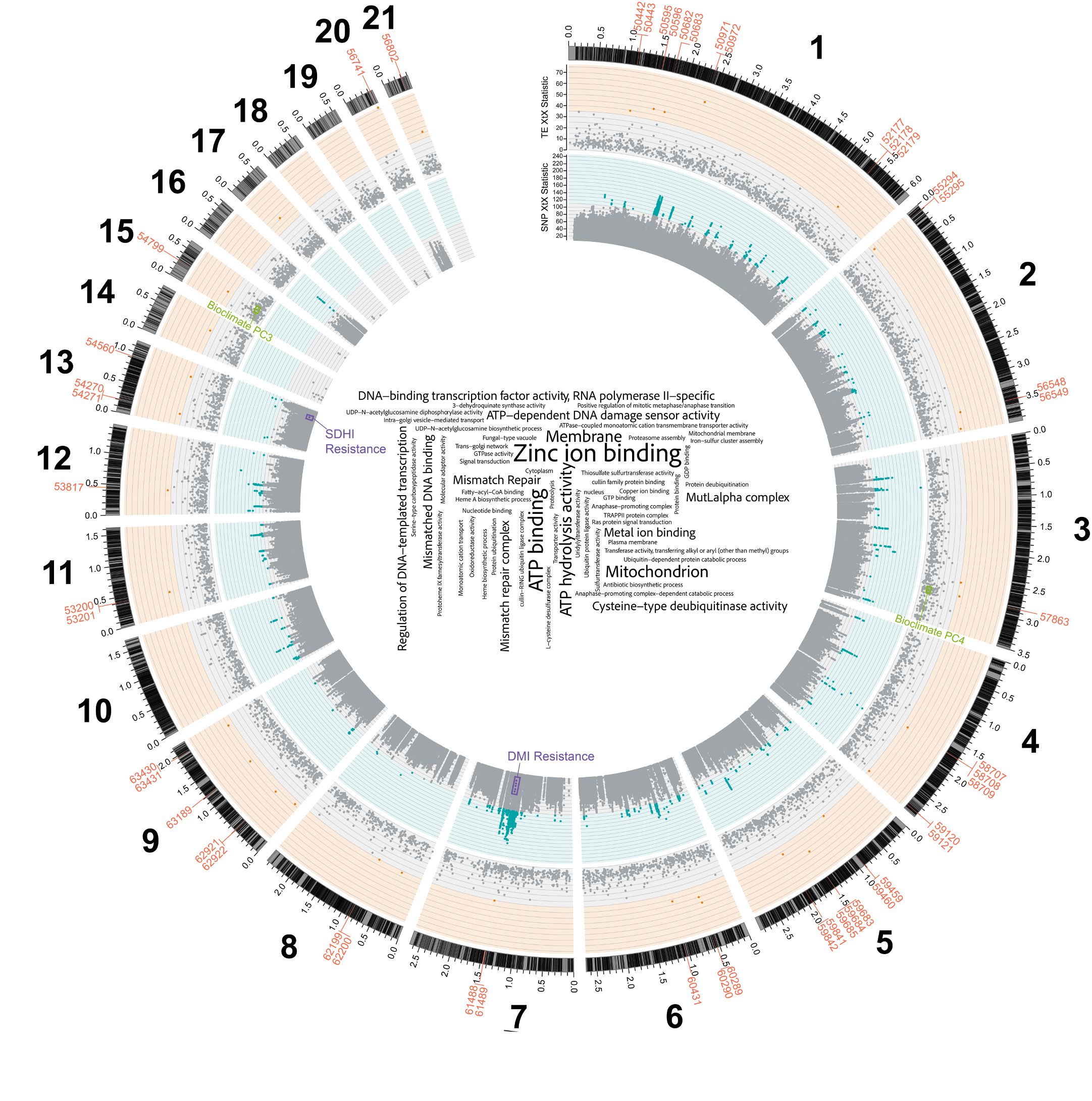
We want to understand how ecological change at every scale, from within genomes to across ecosystems, shapes adaptation and biodiversity. Just as species interact with one another in ecosystems, genomes are shaped by the environments in which they evolve. We investigate how environmental change influences genome architecture and structural variation, and how these changes contribute to adaptation. By linking ecological processes to genome evolution, we aim to understand how species respond to environmental challenges and what this means for the future of biodiversity.
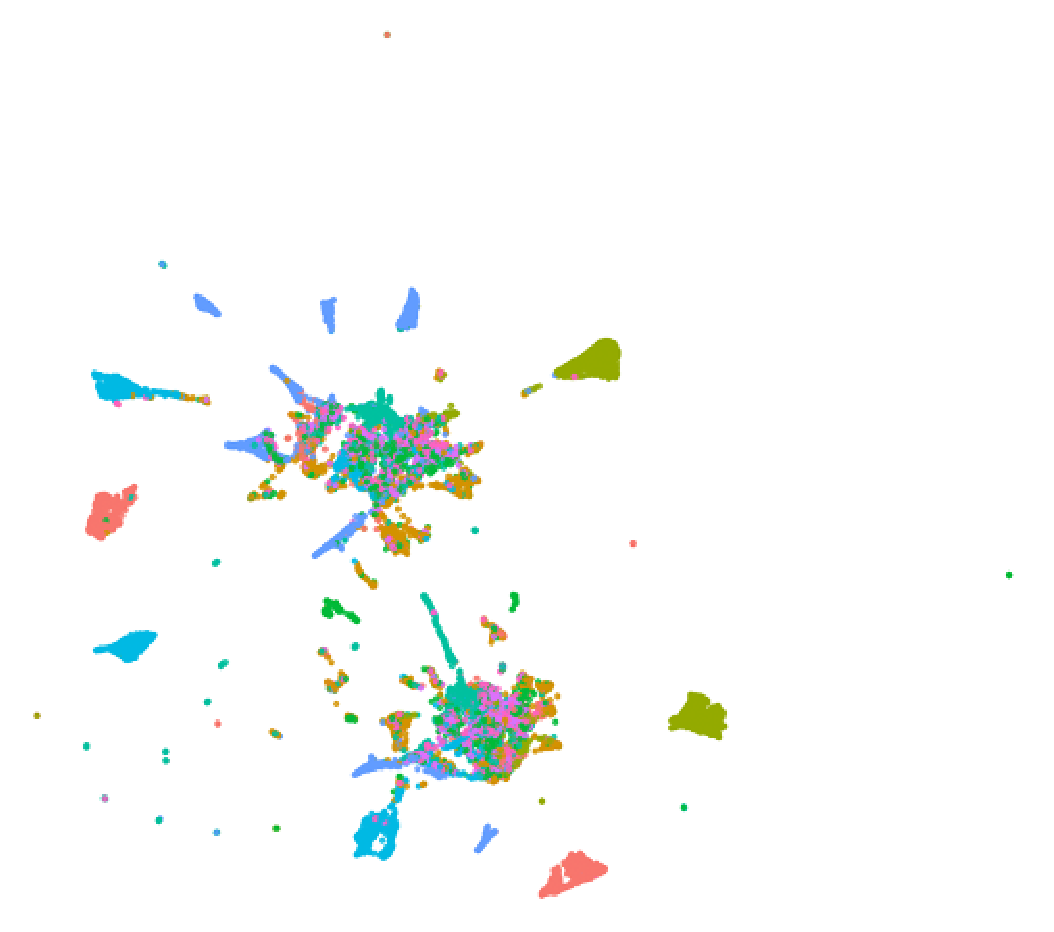
We are excited by the potential of artificial intelligence (AI) to transform how we study genome evolution. We develop interpretable AI approaches that help researchers identify and understand genes, TEs, and other genomic features across diverse organisms. Rather than treating AI as a black box, we aim to use these models to uncover the biological rules that govern genome organisation and evolution. In parallel, we develop tools that make genomic analyses more accessible across the diversity of life.
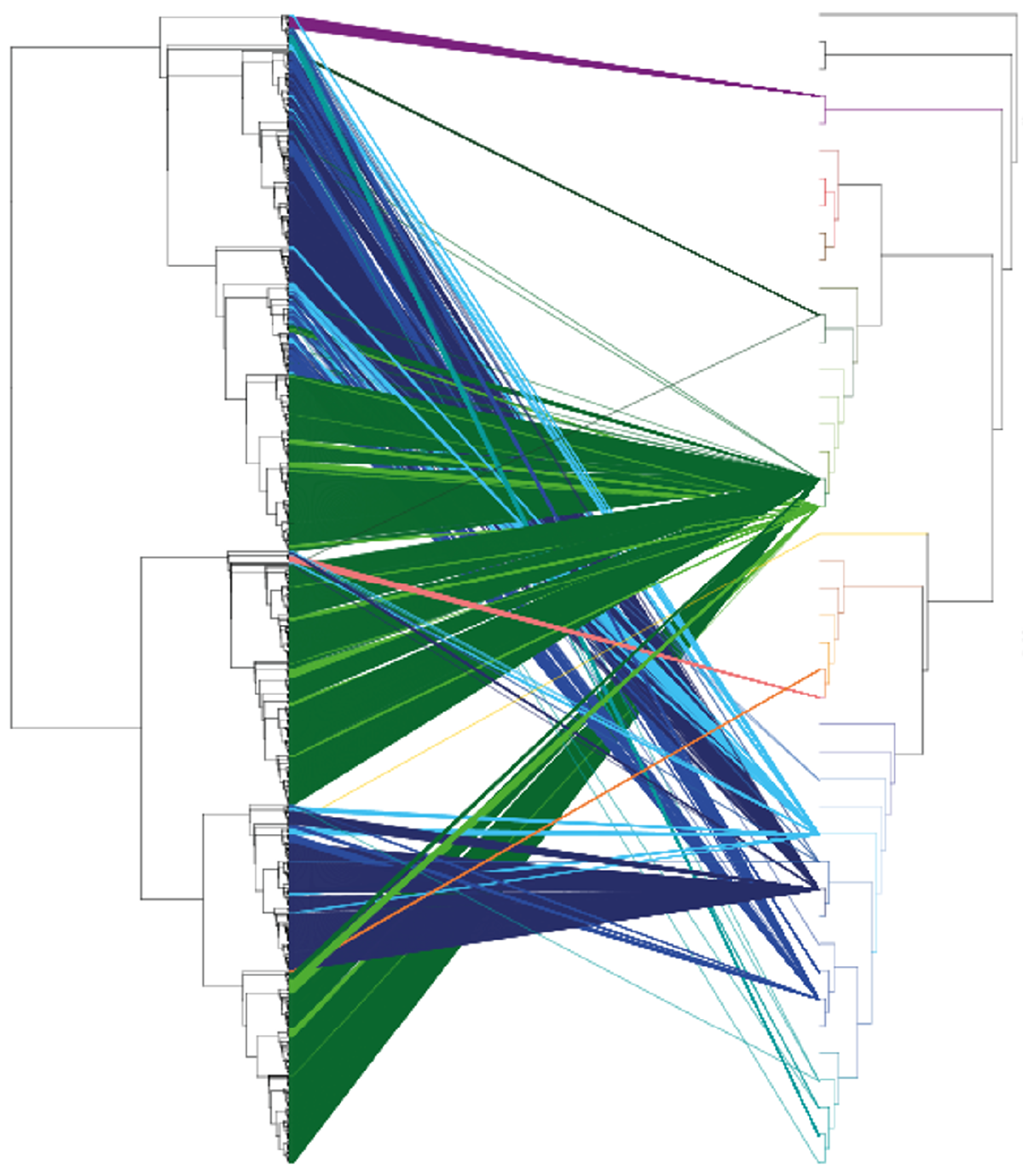
How did TEs become such a widespread and enduring feature of eukaryotic genomes? Using large-scale comparative genomics, we reconstruct the origins, diversification, and spread of TEs across the tree of life. By tracing their evolutionary histories over hundreds of millions of years, we aim to understand why some TE lineages flourish while others disappear, and how TEs have evolved to persist over deep time.
Tools and Datasets
We believe that answering big evolutionary questions requires tools that are accessible to everyone. Alongside our biological research, we develop open-source software, databases, and reproducible workflows that help researchers explore genome evolution across diverse species. Our goal is to make cutting-edge genomic analyses easier to perform, easier to reproduce, and available to the wider scientific community. You can check out the tools and datasets developed by our lab below.

ParTEA (Pangenome Transposable Element Analysis) is a Snakemake-based pipeline that brings the party to multi-genome TE annotation! It extends EarlGrey to process multiple genomes in parallel, build pangenome TE libraries, and perform comparative transposable element analysis across species.


MycoMobilome is a database of transposable elements (TEs) from the fungal kingdom. It provides a comprehensive and non-redundant collection of TEs, along with their classification, annotation, and associated metadata. MycoMobilome aims to facilitate the study of TE diversity, evolution, and impact on fungal genomes.


Fully automated, user-friendly, and reproducible transposable element annotation pipeline for eukaryotic genomes. Earl Grey is designed to be easy to use for both novice and experienced users, providing a comprehensive TE annotation workflow that can be run with minimal input and configuration.



A tutorial on how to use the Earl Grey TE annotation pipeline, presented at the Biodiversity Genomics Academy 2023. This tutorial provides an introduction to the features and capabilities of Earl Grey, as well as a step-by-step guide on how to run the pipeline and interpret the results. There is also a little Q&A at the end, where Toby answers some of the questions that came up during the workshop.